Description
Classification of BPC 157 10mg
BPC 157 10mg is a peptide product associated with experimental research into tissue repair, cellular signaling, and gastrointestinal function. BPC 157, also known as Body Protection Compound 157, is a synthetic peptide consisting of 15 amino acids. It is derived from a sequence associated with a protein found in gastric juice.
BPC 157 has attracted scientific interest because preclinical studies have investigated its potential role in various biological processes. However, it is important to distinguish experimental findings from established medical evidence. BPC 157 is not an FDA-approved medication for human treatment, and its safety and effectiveness in humans have not been established through adequate clinical trials.
What Is BPC 157 10mg?
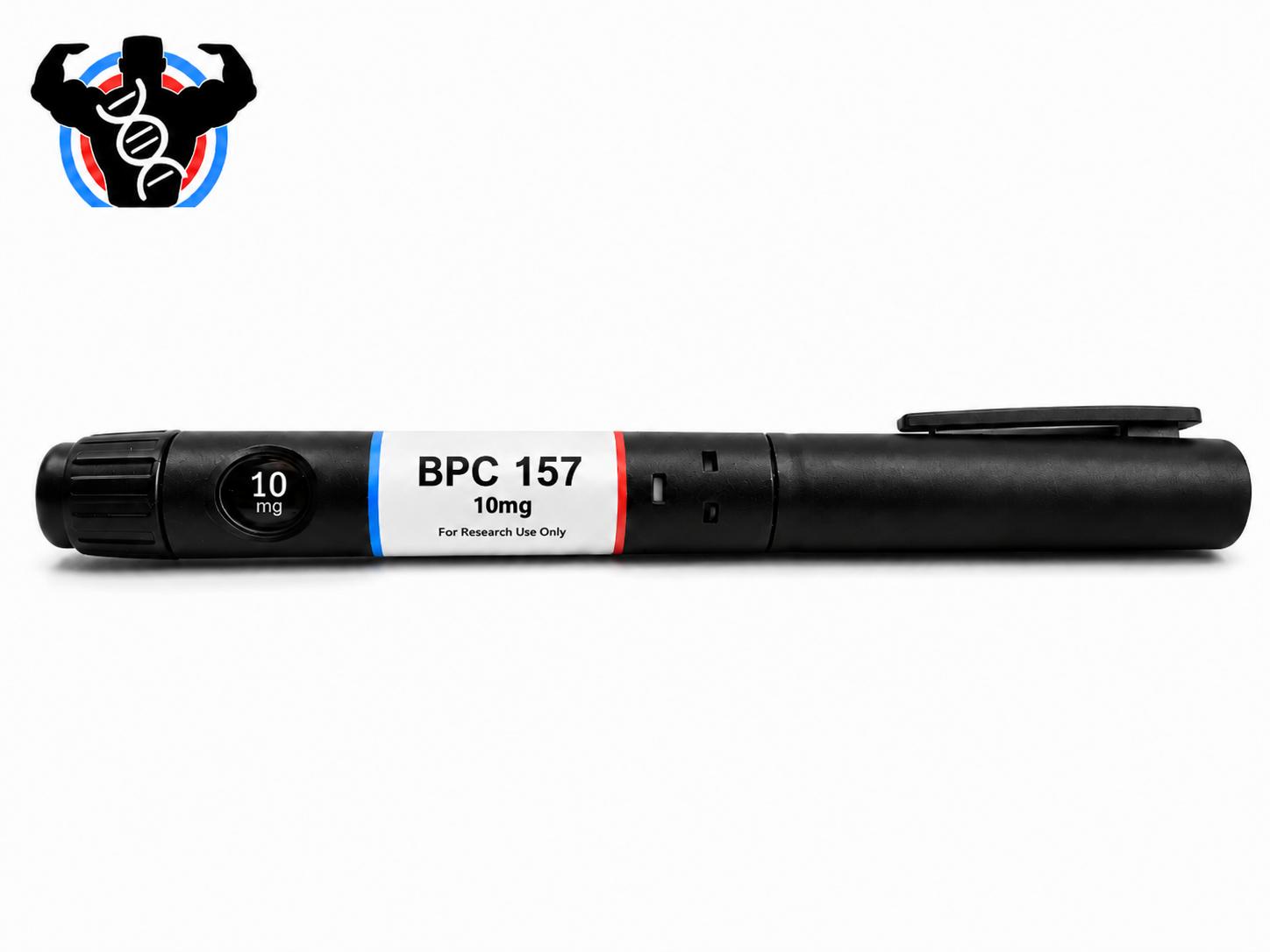
BPC 157 10mg refers to a product labeled as containing 10 milligrams of the peptide. The stated amount describes the product’s labeled content rather than an established therapeutic dose. Products marketed under this name may vary in formulation, purity, manufacturing standards, and intended research applications.
Researchers have investigated BPC 157 in laboratory and animal models involving tendons, ligaments, muscles, the gastrointestinal tract, and other tissues. These studies have generated hypotheses about how the peptide may influence healing-related pathways. Nevertheless, evidence from animal research cannot establish that the same effects occur in humans.
Before considering any peptide product, buyers should review its composition, quality documentation, intended use, and applicable regulatory status.
Dosage of BPC 157 10mg
There is no established, FDA-approved human dosage for BPC 157 10mg. The 10mg label indicates the stated quantity in the product, not a recommended amount for an individual to take.
Because adequate human dosing and safety data are lacking, a standardized treatment schedule cannot be recommended.
Important dosage considerations include:
- Product concentration: The labeled quantity does not establish how much, if any, is appropriate for human use.
- Formulation: Different products may have different ingredients, concentrations, and preparation requirements.
- Medical supervision: Individuals considering an experimental peptide should discuss the risks with a qualified healthcare professional.
- Product quality: An inaccurate label or contaminated product can introduce additional health risks.
Do not self-administer BPC 157 or rely on online dosing schedules as substitutes for medical advice.
How Does BPC 157 10mg Work?
BPC 157 has been studied for its possible influence on biological processes involved in tissue maintenance and repair. Laboratory and animal research has examined its relationship with cellular signaling, blood vessel formation, inflammatory pathways, and the body’s response to tissue injury.
These findings have led researchers to investigate whether the peptide could have applications in future therapeutic development. However, the precise mechanisms, clinically meaningful effects, and potential risks in humans remain uncertain.
BPC 157 should not be considered a proven treatment for injuries, digestive conditions, or chronic pain.
Benefits of BPC 157 10mg
Research interest in BPC 157 comes from several areas of preclinical investigation. The following are potential research areas, not established human benefits.
- Tissue repair research: Animal studies have investigated changes associated with tendon, ligament, and muscle injuries.
- Gastrointestinal research: Researchers have examined possible effects on the stomach and intestinal tissues in experimental models.
- Inflammatory pathways: Laboratory investigations have considered how the peptide may interact with processes associated with inflammation.
- Blood vessel formation: Some preclinical studies have explored its relationship with angiogenesis, the formation of new blood vessels.
- Recovery-related research: Experimental work has examined biological responses following tissue damage.
These findings do not establish that BPC 157 improves recovery, reduces pain, or prevents injury in humans. Further well-designed clinical trials are needed.
When Should You Take BPC 157 10mg?
There is no medically established schedule for taking BPC 157 10mg. Timing recommendations promoted online are not supported by sufficient clinical evidence to establish safe or effective use.
Individuals experiencing an injury, persistent pain, or gastrointestinal symptoms should obtain an appropriate medical assessment rather than delaying treatment while experimenting with an unapproved peptide.
If a healthcare professional is evaluating a research-related exposure or a product containing BPC 157, provide the product label and details about any other medications or supplements being used.
When Should You Not Take BPC 157 10mg?
BPC 157 should not be treated as a routine supplement or established medication. Avoid self-administration, particularly in circumstances where the safety profile is unknown.
Extra caution is warranted for:
- Pregnant or breastfeeding individuals, because safety data are insufficient.
- Children and adolescents, for whom appropriate safety and dosing information is unavailable.
- People with chronic medical conditions or those taking prescription medications.
- Individuals with unexplained symptoms that require diagnosis and evidence-based treatment.
- Competitive athletes who may be subject to anti-doping rules.
Consult a qualified healthcare professional before considering any experimental peptide product.
What Is the Mechanism of BPC 157 10mg?
The proposed mechanism of BPC 157 involves several biological pathways investigated in preclinical research. Scientists have examined its possible relationship with nitric oxide signaling, vascular responses, and pathways associated with tissue repair.
Nitric oxide is involved in regulating blood vessel function, while angiogenesis contributes to the formation of new blood vessels. Researchers have explored whether interactions with these processes could help explain observations in experimental injury models.
However, a complete mechanism has not been established, and these proposed effects should not be interpreted as proof of therapeutic action in humans.
Uses of BPC 157 10mg
BPC 157 is primarily discussed in the context of experimental research rather than approved clinical treatment. Investigated research areas include:
- Tendon and ligament injury models.
- Muscle and soft-tissue injury research.
- Gastrointestinal tissue studies.
- Inflammation-related experimental models.
- Cellular responses associated with tissue repair.
These are research applications, not approved medical indications. BPC 157 should not replace prescribed medication, physical rehabilitation, surgery when indicated, or other evidence-based healthcare.
Warnings and Precautions for BPC 157 10mg
BPC 157 has not been established as safe and effective for human medical use. Product quality and formulation may vary, and unapproved products may contain incorrect concentrations, impurities, or contaminants.
Before purchasing or handling a product labeled BPC 157 10mg, consider the following precautions:
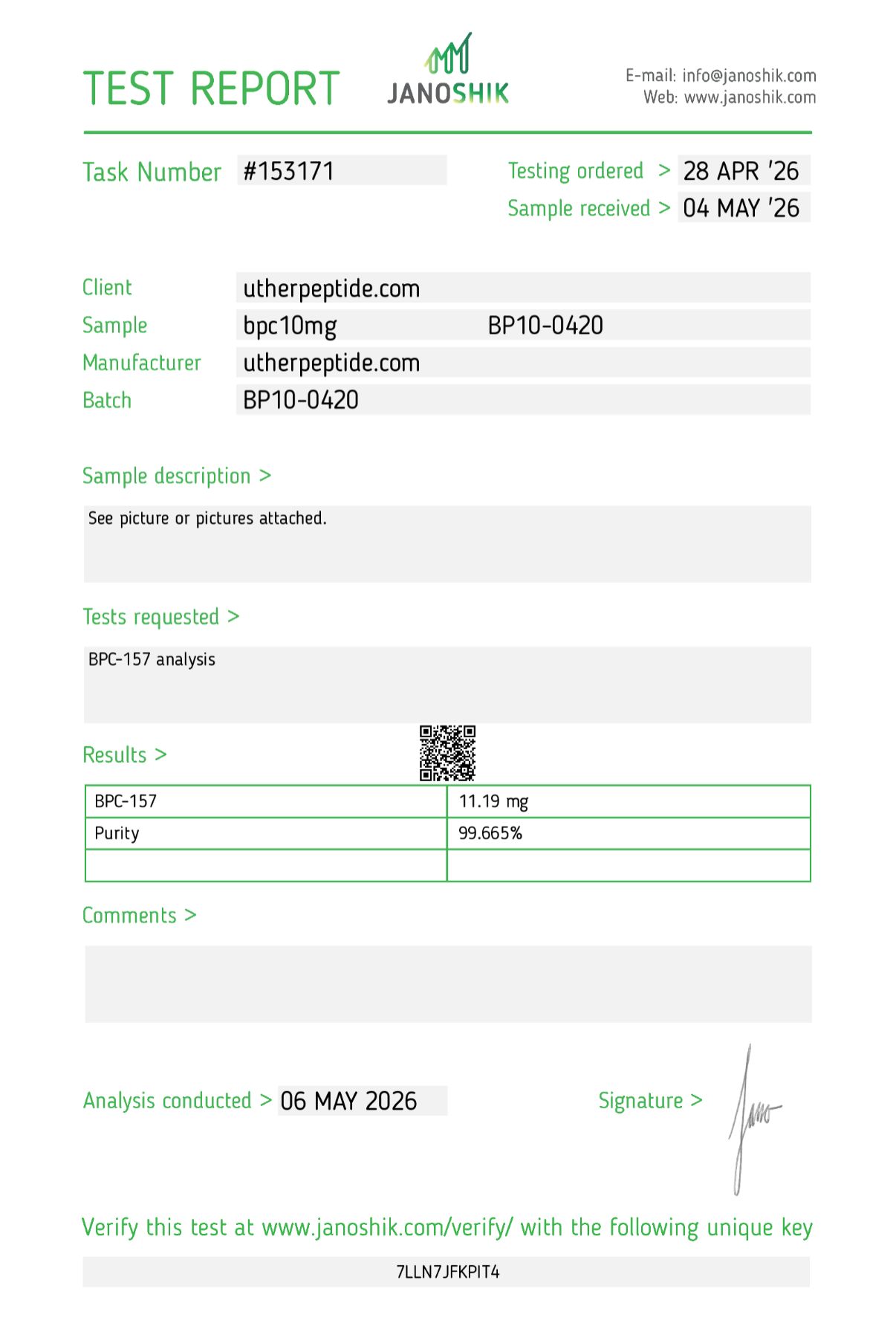
- Verify the manufacturer’s identity and request independent quality-testing documentation where available.
- Do not assume that a certificate of analysis proves clinical safety or effectiveness.
- Avoid products with unclear ingredients, missing batch information, or unsupported medical claims.
- Do not use injectable preparations without appropriate medical oversight.
- Check applicable FDA regulations and sports anti-doping rules before use.
Seek medical advice if you have already used the product and experience an unexpected reaction.
Side Effects of BPC 157 10mg
The full side-effect profile of BPC 157 in humans is unknown because adequate clinical safety studies are lacking. The absence of well-documented adverse effects does not establish that the peptide is safe.
Potential concerns may include:
- Reactions to the product’s ingredients or contaminants.
- Injection-site irritation, infection, or tissue injury if an injectable product is used.
- Unexpected effects caused by an inaccurately labeled or improperly manufactured preparation.
- Unknown interactions with medications or underlying health conditions.
Stop using a product if an adverse reaction occurs and seek medical advice. Severe allergic symptoms, difficulty breathing, or significant swelling require urgent medical attention.
Storage for BPC 157 10mg
Storage requirements depend on the specific formulation and the manufacturer’s validated instructions. Do not assume that all BPC 157 products require the same temperature or handling conditions.
General precautions include keeping the product in its original, clearly labeled packaging, protecting it from excessive heat and direct sunlight, and preventing access by children and pets. Do not use products with damaged packaging or uncertain storage histories.
For products labeled for laboratory research, follow the manufacturer’s documented handling and storage requirements. Do not assume that research-grade material is suitable for human administration.
Where to Buy BPC 157 10mg?
To get BPC 157 10mg online, go to steroid UK outlet today to get the best deal on this medicine.
Frequently Asked Questions
1. What Is BPC 157 10mg Used For?
BPC 157 10mg is marketed primarily in connection with peptide research. Studies have investigated its potential effects on tissue repair and gastrointestinal biology, but it is not an established human treatment.
2. Is BPC 157 10mg FDA Approved?
No. BPC 157 is not an FDA-approved medication for treating human medical conditions. Its safety and effectiveness have not been established through adequate clinical trials.
3. How Much BPC 157 10mg Should You Take?
There is no established, evidence-based human dosage. The labeled 10mg quantity should not be interpreted as a recommended dose or treatment schedule.
4. What Are the Potential Side Effects of BPC 157 10mg?
Its human side effects are not adequately characterized. Risks may arise from the peptide itself, other ingredients, contamination, or the method of administration.
5. How Should BPC 157 10mg Be Stored?
Steroid UK Outlet recommends following the manufacturer’s storage instructions for BPC 157 10mg. Keep the product properly labeled, store it according to the specified conditions, and keep it out of reach of children and pets. Avoid using products with damaged packaging, questionable quality, or an uncertain storage history.