
Description
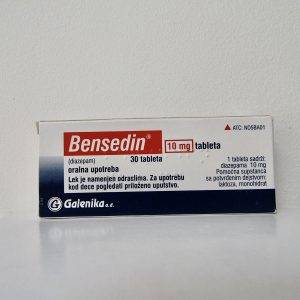
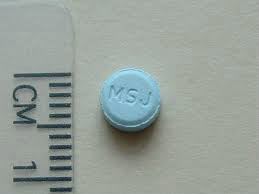
Diazepam MSJ 10mg x 30 Tablets Classification
Diazepam MSJ 10mg belongs to a group of prescription medicines known as benzodiazepines. These medicines act on the central nervous system and are prescribed to reduce excessive brain activity that contributes to anxiety, muscle spasms, certain seizure disorders, and symptoms associated with alcohol withdrawal.
In the UK, diazepam is classified as a Prescription Only Medicine (POM) and is also regulated as a Class C controlled drug under the Misuse of Drugs Act. Because of its potential to cause dependence, tolerance, misuse, and withdrawal symptoms, it should only be used under the supervision of a qualified healthcare professional.
Diazepam is generally recommended for short-term treatment. Healthcare professionals carefully weigh the expected benefits against the potential risks before prescribing it, particularly for older adults and individuals with a history of substance misuse.
What is Diazepam MSJ 10mg?
Diazepam MSJ 10mg is a prescription medicine containing 10mg of diazepam in each tablet. The pack contains 30 tablets. It is prescribed to treat a range of medical conditions where calming the central nervous system is clinically appropriate.
Healthcare professionals may prescribe diazepam to relieve severe anxiety that significantly affects daily life, manage painful muscle spasms, treat certain seizure disorders alongside other medicines, or reduce symptoms experienced during alcohol withdrawal. It may also be used before certain medical or dental procedures when temporary sedation is considered appropriate.
Diazepam is not intended for routine management of everyday stress or mild anxiety. Long-term use is generally avoided because the medicine may become less effective over time and carries a recognised risk of physical and psychological dependence.
Patients should always follow the treatment plan provided by their prescriber and should never share diazepam with another person, even if symptoms appear similar.
Recommended Dosage for Diazepam MSJ 10mg x 30 Tablets
The appropriate dosage of diazepam varies considerably between individuals. Healthcare professionals determine the correct dose after considering several factors, including the patient’s age, medical condition, liver function, other medicines being taken, and overall health.
Treatment usually begins with the lowest effective dose for the shortest possible duration. Some conditions require lower doses than others, and dose adjustments may be made only by the prescribing clinician after monitoring the patient’s response.
Patients should take diazepam exactly as prescribed. Increasing the dose, taking additional tablets, or extending treatment without medical advice can increase the risk of excessive sedation, dependence, withdrawal symptoms, and other complications.
If a dose is missed, patients should follow the advice provided by their healthcare professional or the patient information leaflet. Double doses should not be taken to compensate for a forgotten dose.
Diazepam should not be stopped suddenly after prolonged use unless advised by a healthcare professional, as gradual dose reduction may be required to minimise withdrawal symptoms.
How Does Diazepam 10mg Work?
Diazepam works by increasing the activity of gamma-aminobutyric acid (GABA), one of the brain’s primary inhibitory neurotransmitters. GABA helps reduce excessive nerve signalling, producing a calming effect throughout the central nervous system.
By enhancing GABA activity, diazepam decreases abnormal electrical activity within the brain. This helps reduce feelings of anxiety, relax tense muscles, suppress certain seizure activity, and produce sedation when clinically required.
The calming effects usually begin within a relatively short period after administration, although the onset and duration can vary depending on the individual, the dose prescribed, and other medical factors.
Because diazepam remains in the body for an extended period compared with some other benzodiazepines, its effects may continue after the immediate symptoms have improved. This is one reason why healthcare professionals monitor treatment carefully.
Benefits of Taking Diazepam MSJ 10mg
When prescribed appropriately, diazepam can provide important therapeutic benefits for patients with specific medical conditions.
Potential clinical benefits include:
- Relief of severe anxiety symptoms under medical supervision
- Reduction of painful muscle spasms
- Management of certain seizure disorders as part of a treatment plan
- Control of alcohol withdrawal symptoms in appropriate clinical settings
- Sedation before selected medical or dental procedures when prescribed
- Improved comfort during short-term treatment of qualifying conditions
The benefits should always be balanced against the medicine’s potential risks. Healthcare professionals regularly review treatment to determine whether diazepam remains necessary or whether alternative approaches may be more appropriate.
When Should You Take Diazepam MSJ 10mg?
Diazepam should only be taken according to the instructions provided by the prescribing healthcare professional.
Depending on the condition being treated, it may be prescribed at specific times of the day or before a planned medical procedure. Patients should swallow the tablets with water and may take them with or without food unless advised otherwise.
Consistency is important. Taking diazepam exactly as directed helps maintain appropriate therapeutic levels while reducing the risk of unnecessary side effects.
Because diazepam may cause drowsiness, patients should be cautious with activities requiring concentration until they understand how the medicine affects them. Driving, operating machinery, or performing hazardous tasks may not be appropriate if alertness is impaired.
When Should You Not Take Diazepam MSJ 10mg?
Diazepam is not suitable for everyone. Healthcare professionals assess each patient’s medical history before prescribing this medicine.
Diazepam should generally not be used in patients who have:
- A known allergy to diazepam or other benzodiazepines
- Severe breathing difficulties
- Severe liver disease
- Myasthenia gravis
- Sleep apnoea syndrome
- Acute narrow-angle glaucoma, where clinically relevant
- A history of serious reactions to benzodiazepines
Extra caution is required during pregnancy, breastfeeding, in older adults, and in people with a history of alcohol or substance dependence.
Patients should always inform their healthcare professional about all existing medical conditions and every medicine they are taking before starting treatment.
What is the Mechanism of Diazepam MSJ 10mg?
Diazepam acts as a positive allosteric modulator of the GABA-A receptor. Rather than activating the receptor directly, it enhances the natural action of GABA by increasing the frequency of chloride channel opening.
This increased chloride movement makes nerve cells less likely to fire excessively. The resulting reduction in neuronal excitability contributes to several therapeutic effects, including anxiolytic, muscle relaxant, anticonvulsant, sedative, and amnesic properties.
After absorption, diazepam is extensively distributed throughout the body and is metabolised in the liver into active metabolites. These metabolites contribute to the medicine’s relatively long duration of action compared with some other benzodiazepines.
Understanding this mechanism helps explain why diazepam can be effective across several neurological and psychiatric conditions while also requiring careful dosing and monitoring.
Uses of Diazepam MSJ 10mg
Healthcare professionals may prescribe diazepam for several recognised medical indications where clinically appropriate.
Common therapeutic uses include:
- Short-term treatment of severe anxiety
- Management of acute muscle spasms
- Adjunctive treatment for certain seizure disorders
- Management of alcohol withdrawal symptoms
- Sedation before selected medical or surgical procedures
The medicine should only be used for the condition for which it has been prescribed. Self-medication or use without appropriate medical assessment may expose patients to unnecessary risks.
Regular treatment reviews help determine whether continued therapy remains appropriate.
Warnings and Precautions for Diazepam MSJ 10mg
Diazepam requires careful prescribing because prolonged use may result in tolerance, dependence, and withdrawal symptoms.
Patients should avoid consuming alcohol while taking diazepam because alcohol can significantly increase sedation and respiratory depression. Combining diazepam with opioids or other medicines that depress the central nervous system can increase the risk of serious breathing problems and should only occur under close medical supervision.
Older adults may be more susceptible to confusion, excessive drowsiness, falls, and fractures. Lower doses are often considered in this population.
Patients with kidney disease, liver disease, respiratory disorders, depression, or a history of substance misuse should inform their healthcare professional before treatment begins.
Diazepam should never be stopped abruptly following prolonged treatment. If discontinuation is appropriate, a healthcare professional will usually recommend a gradual reduction schedule to minimise withdrawal symptoms.
Side Effects of Diazepam MSJ 10mg
Like all medicines, diazepam may cause side effects, although not everyone experiences them.
Common side effects include:
- Drowsiness
- Fatigue
- Muscle weakness
- Reduced concentration
- Dizziness
- Impaired coordination
- Slower reaction times
Less common side effects may include:
- Confusion
- Blurred vision
- Headache
- Gastrointestinal discomfort
- Mood changes
- Memory impairment
Rare but potentially serious reactions include:
- Severe allergic reactions
- Difficulty breathing
- Significant behavioural changes
- Hallucinations
- Severe confusion
- Dependence and withdrawal symptoms after prolonged use
Patients experiencing severe or unexpected symptoms should seek prompt medical advice.
Storage for Diazepam MSJ 10mg
Diazepam should be stored according to the instructions provided by the manufacturer and pharmacist.
Recommended storage guidance includes:
- Keep the tablets in the original packaging.
- Store in a cool, dry place away from excess heat and moisture.
- Protect from direct sunlight.
- Keep out of the sight and reach of children.
- Do not use after the expiry date shown on the packaging.
- Return unused or expired tablets to a pharmacy for safe disposal. Do not dispose of medicines in household waste or wastewater unless specifically instructed.
Proper storage helps maintain the medicine’s quality and reduces the risk of accidental exposure by children or other household members.
Important Safety Information
If you purchase Diazepam from Steroid UK Outlet, it is important to remember that diazepam is a prescription medicine and should only be used under the supervision of a qualified healthcare professional. It is not suitable for everyone and should only be taken for the condition and duration for which it has been prescribed.Patients should carefully read the Patient Information Leaflet supplied with their medicine and consult a doctor, pharmacist, or other healthcare professional if they have questions about its use.